











From Industrial Heritage to Responsible Architecture: The Qazvin Flour Factory as a Case Study in the Spirit of VAND
1. Introduction
Architecture in the 21st century faces pressing global challenges: climate change, scarcity of resources, rapid urbanization, and the erosion of cultural identity. These factors demand a new attitude from architects and urban planners – an attitude of responsibility. Architecture can no longer be reduced to the creation of aesthetic forms; it must also account for ecological sustainability, cultural continuity, and social inclusion.
Within this context, the adaptive reuse of industrial buildings has gained increasing importance. Across the world, factories, mills, and warehouses stand abandoned as relics of industrial modernization. These structures contain not only immense amounts of “embodied energy” but also collective memories and urban identity. Demolition means not only wasting resources but also erasing cultural narratives. Adaptive reuse, on the other hand, preserves, transforms, and activates – it turns the past into a resource for the future.
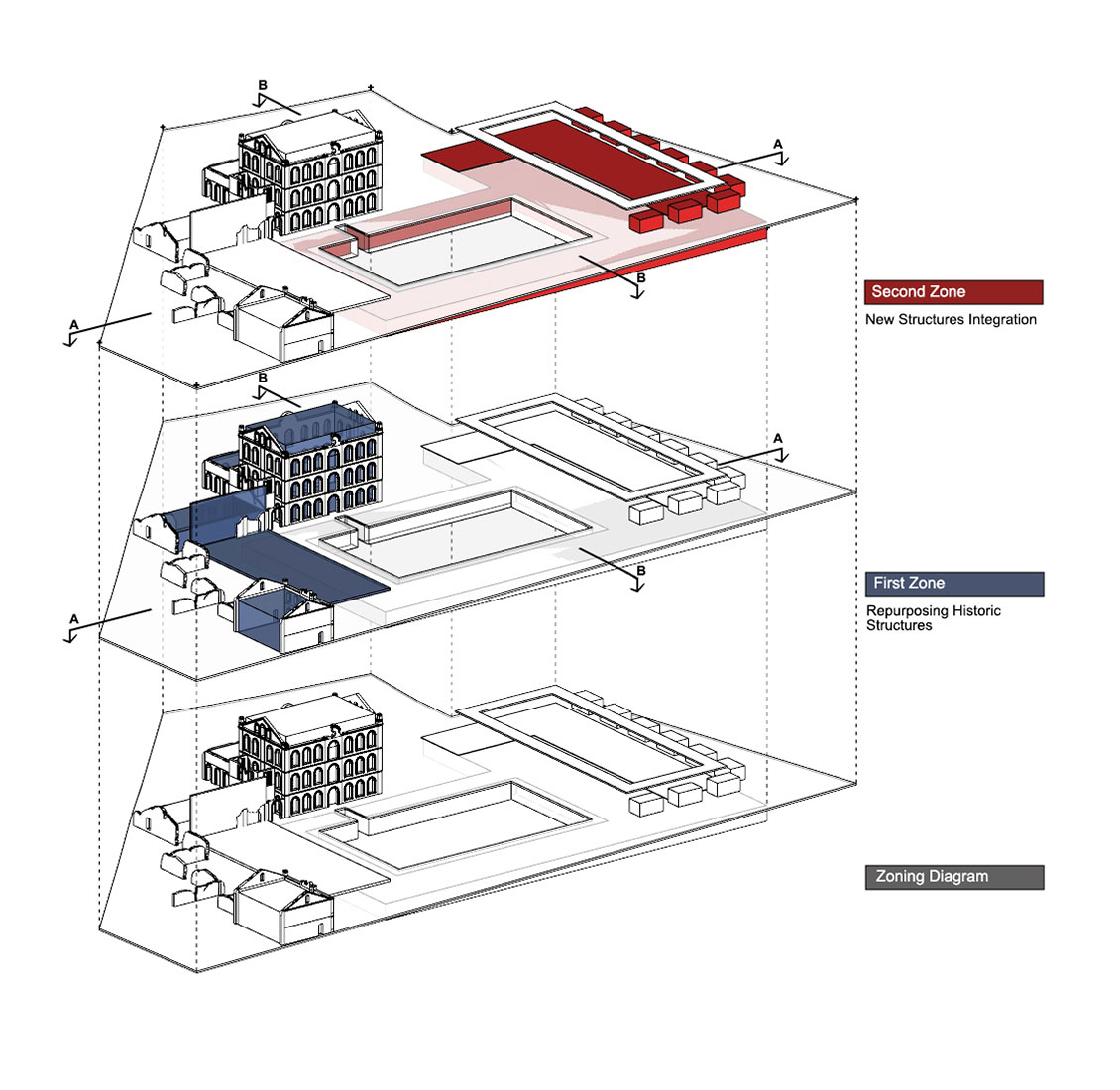
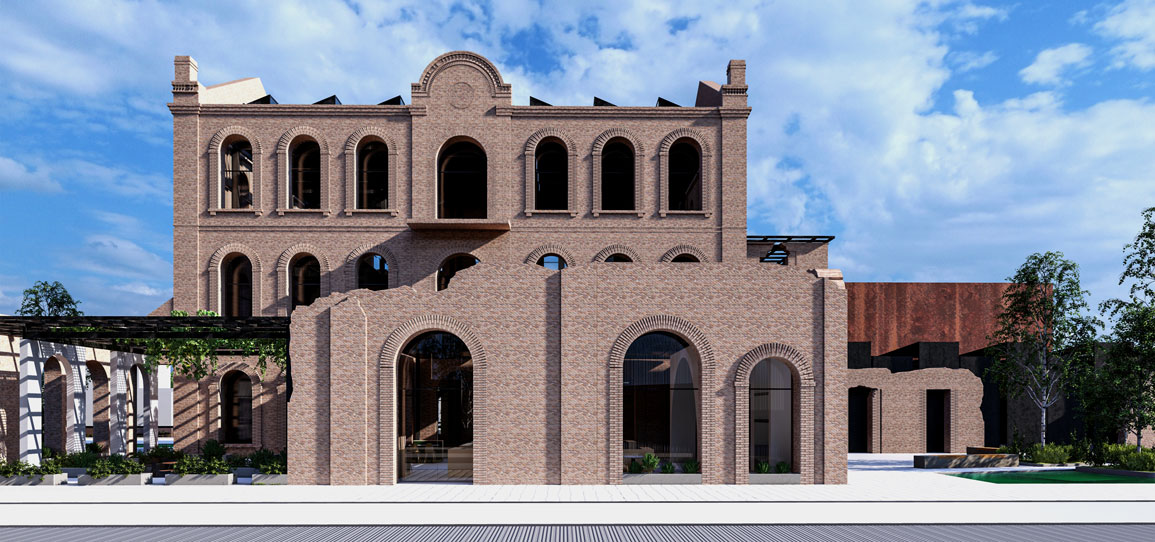
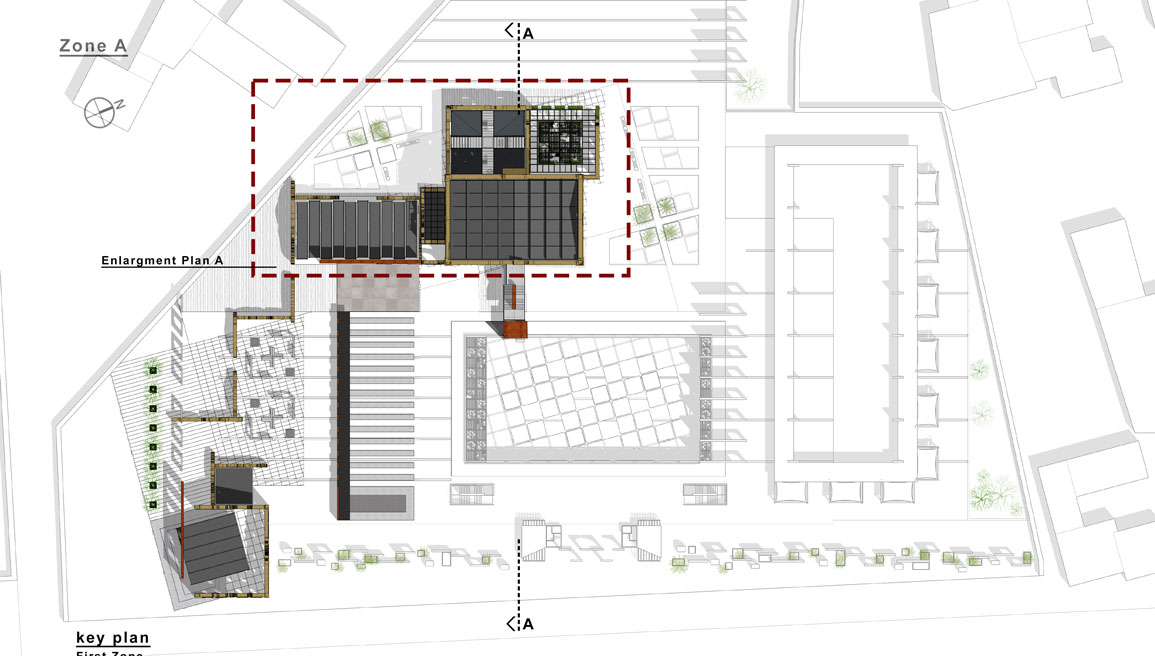
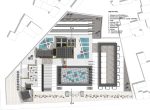
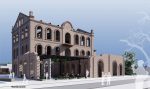
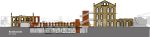
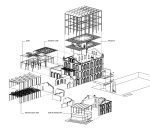
The research project and Master’s thesis by Elham Naderi at Anhalt University of Applied Sciences (2025) addressed precisely this issue. Using the abandoned flour factory in Qazvin (Iran) as a case study, the project explored how adaptive reuse can function as a tool for sustainable urban development and cultural regeneration. The thesis combined theoretical foundations, international case studies, and concrete design strategies for the selected site.
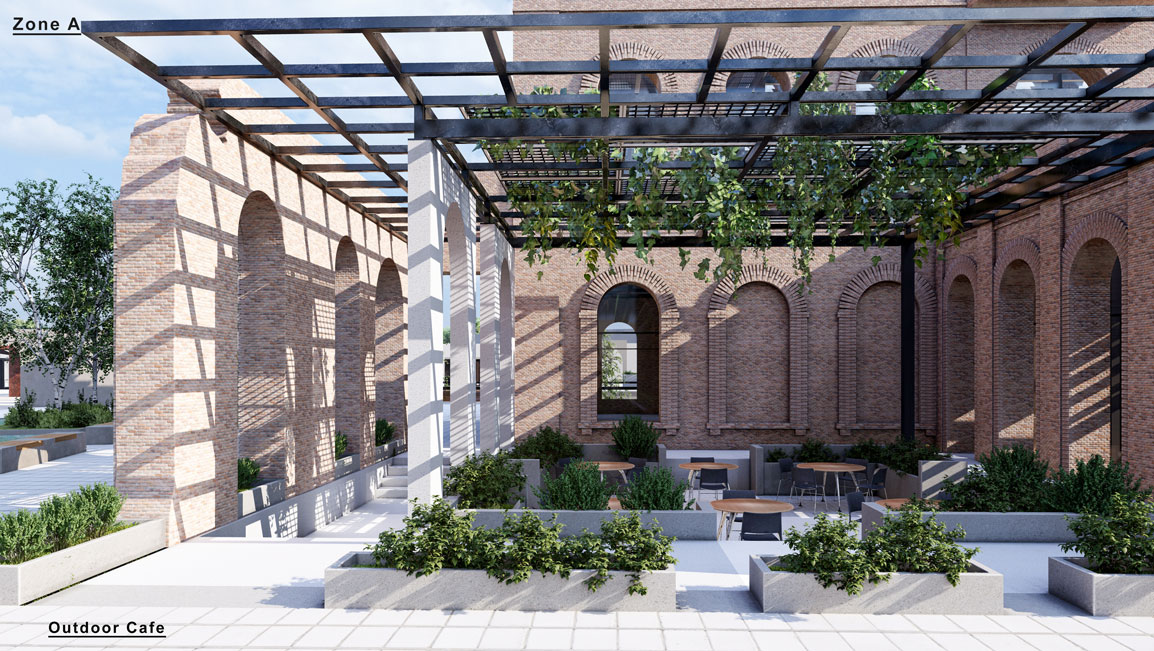
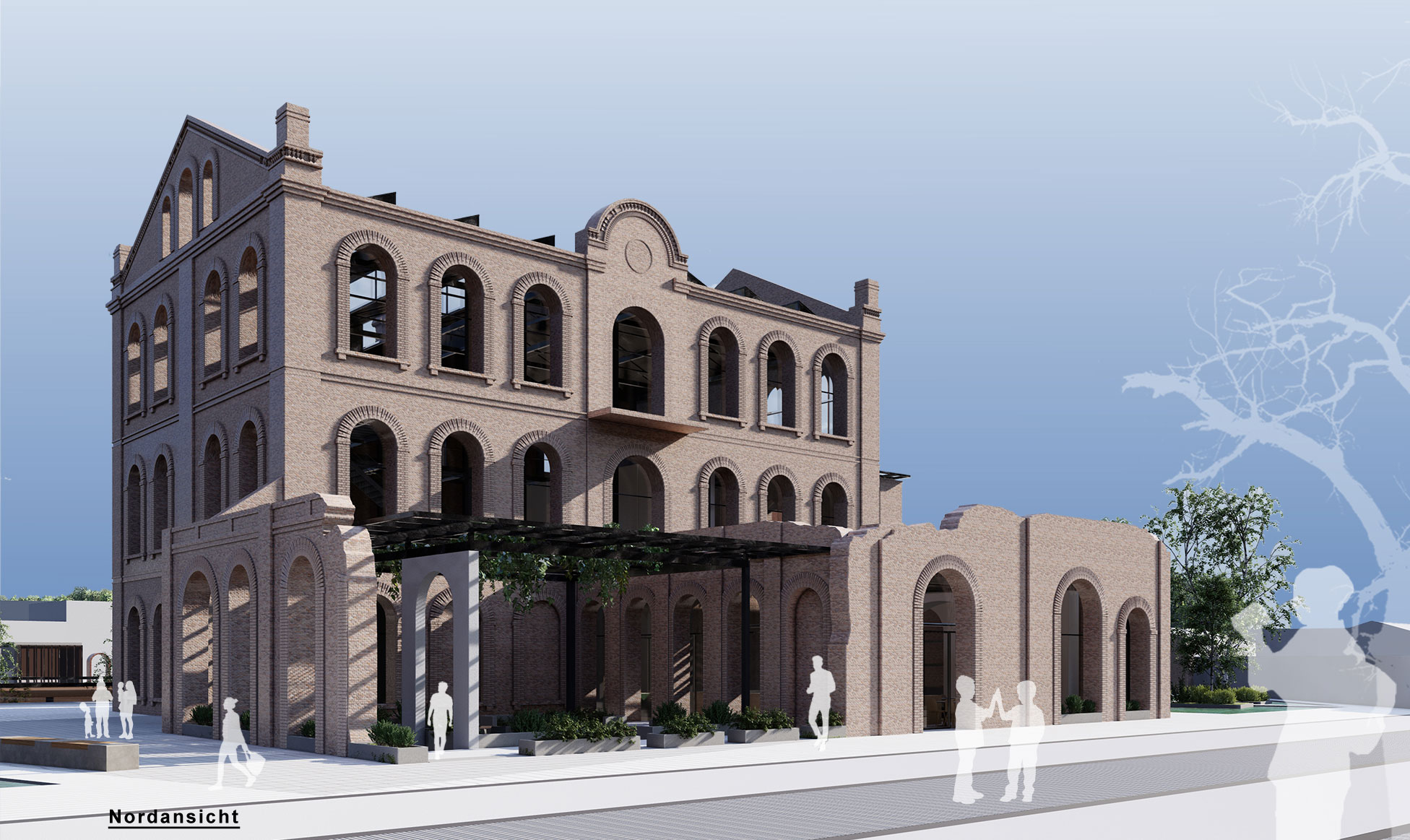
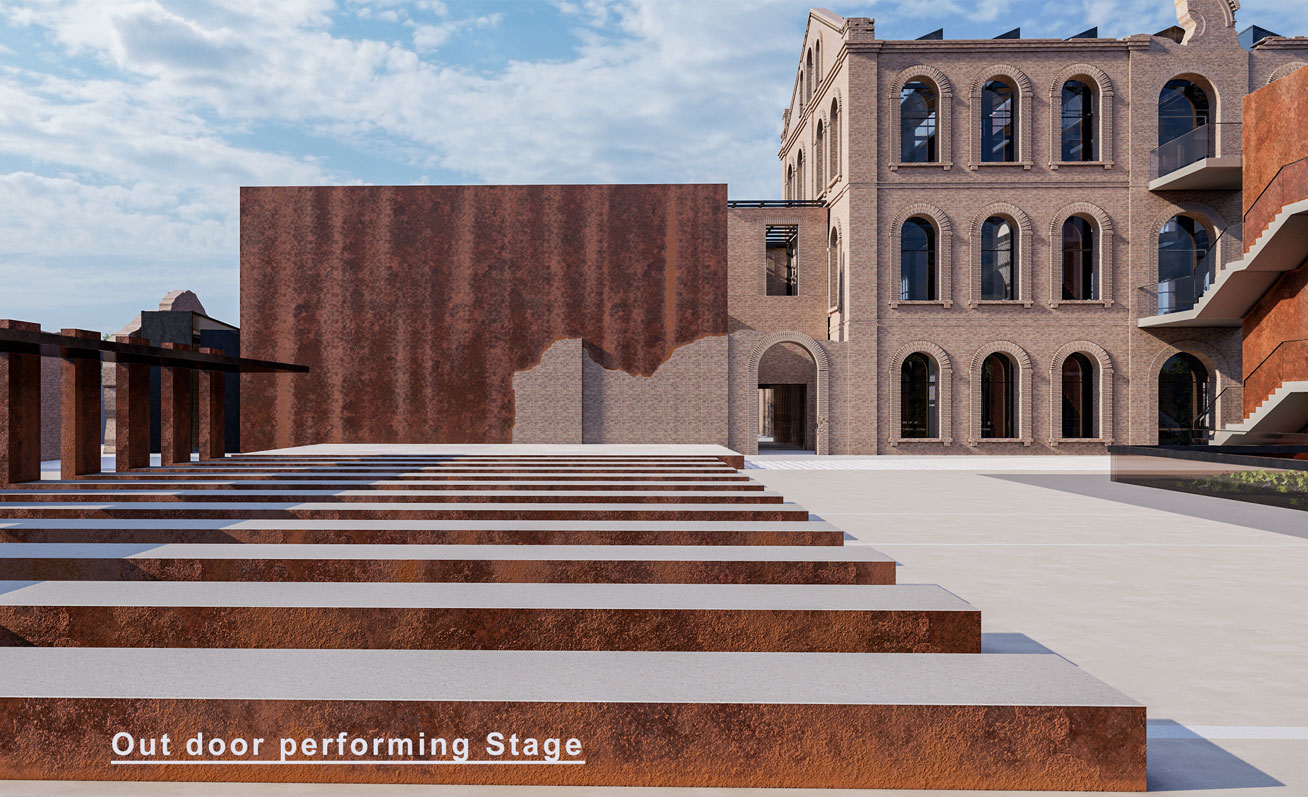
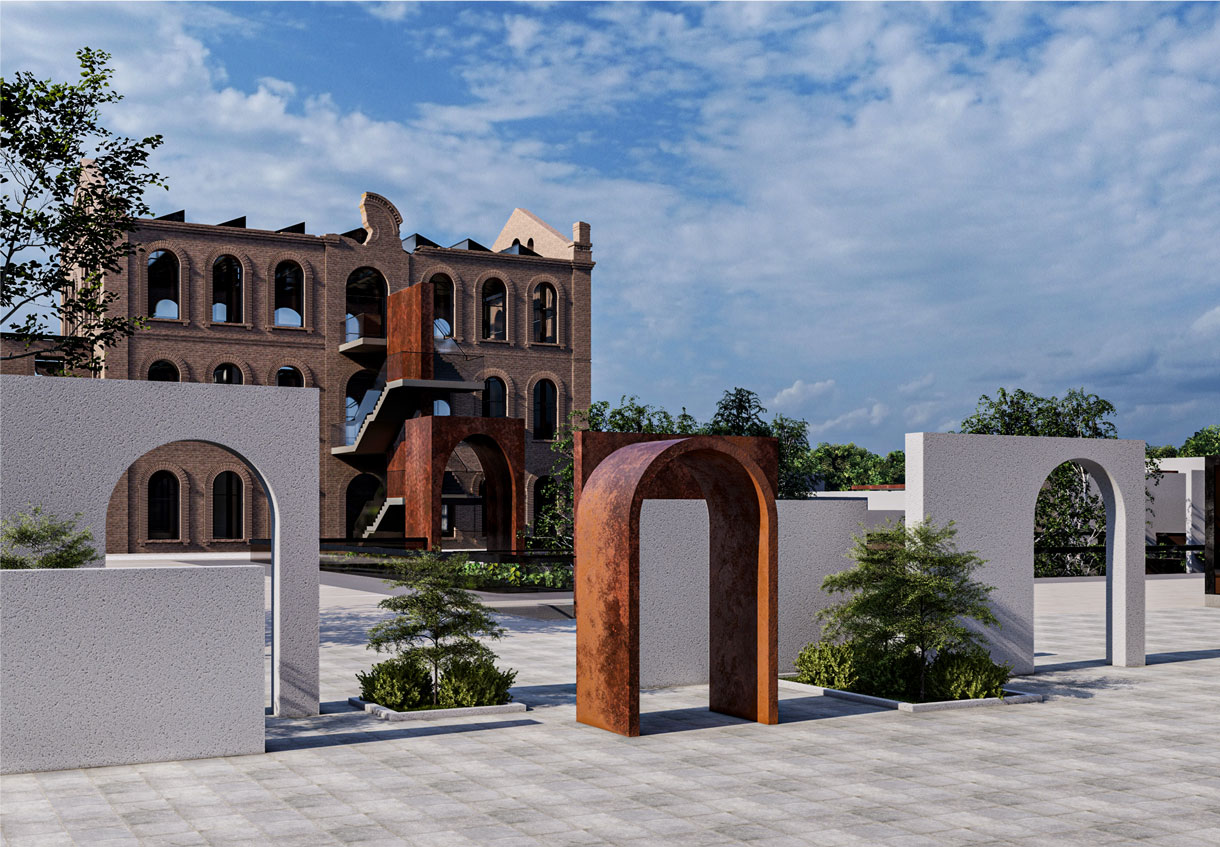
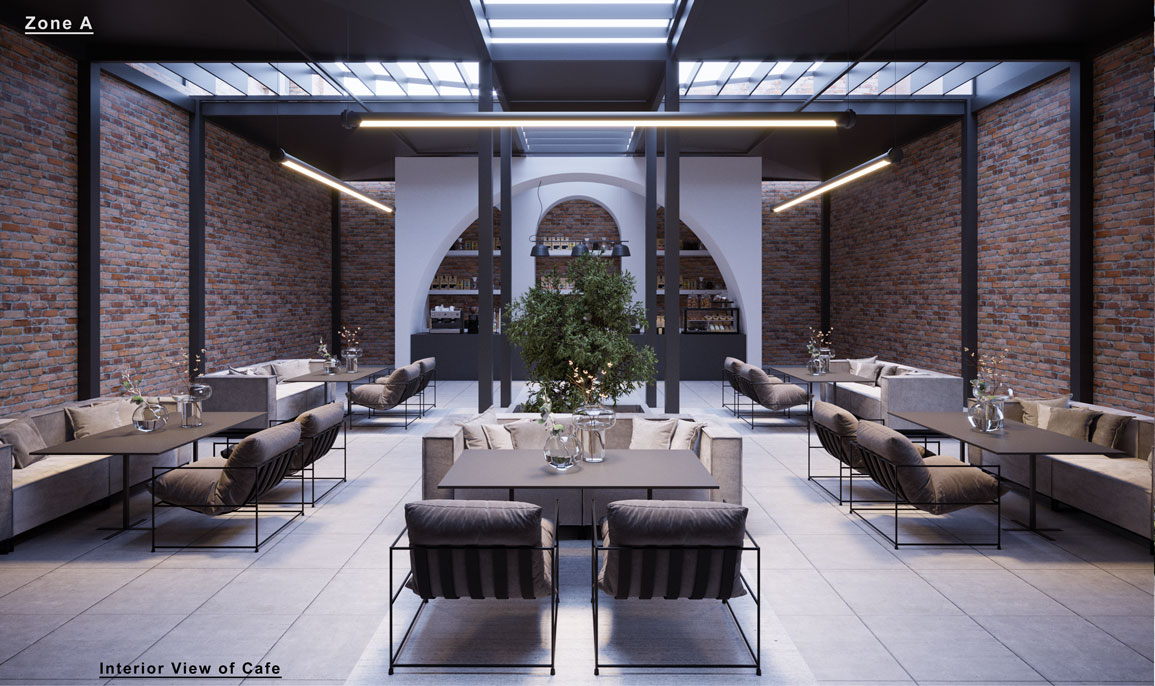
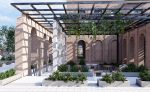
The design proposed to transform the deserted factory into a cultural and arts center – a place that preserves historical identity while fulfilling new urban functions. In doing so, the project embodies three core principles also advocated by the Design Responsibility Movement (VAND):
- Environmental responsibility through resource conservation and sustainable strategies.
- Cultural responsibility through the preservation of industrial heritage.
- Social responsibility through the creation of inclusive spaces for education, art, and community life.
Thus, the Qazvin project is not only an academic investigation but also a practical manifesto of responsible design with global relevance.
2. Industrial Heritage and Urban Identity
2.1 Industrial heritage as collective memory
Industrial buildings such as factories, warehouses, and power plants are more than functional shells. They document the history of technological progress, shifts in labor conditions, and the social transformations of modernity. In many cities, they define entire neighborhoods and serve as carriers of collective memory.
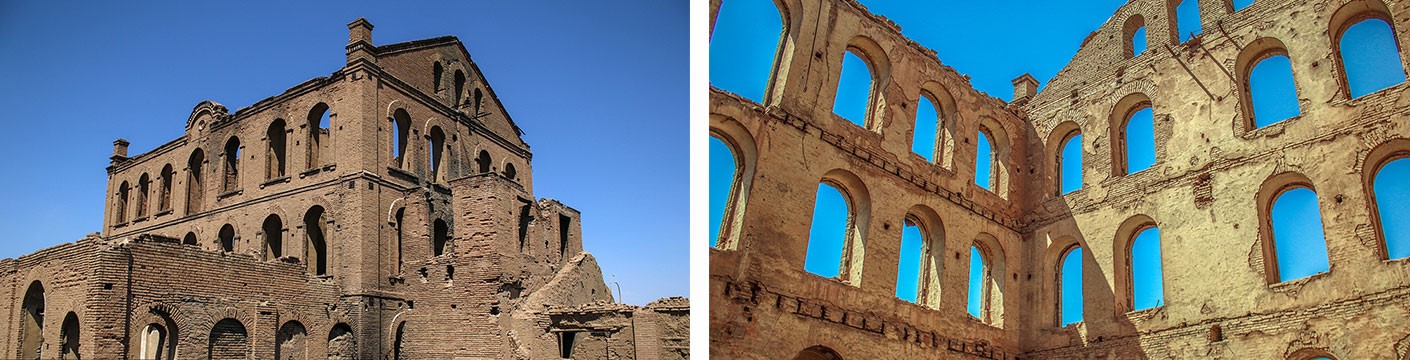
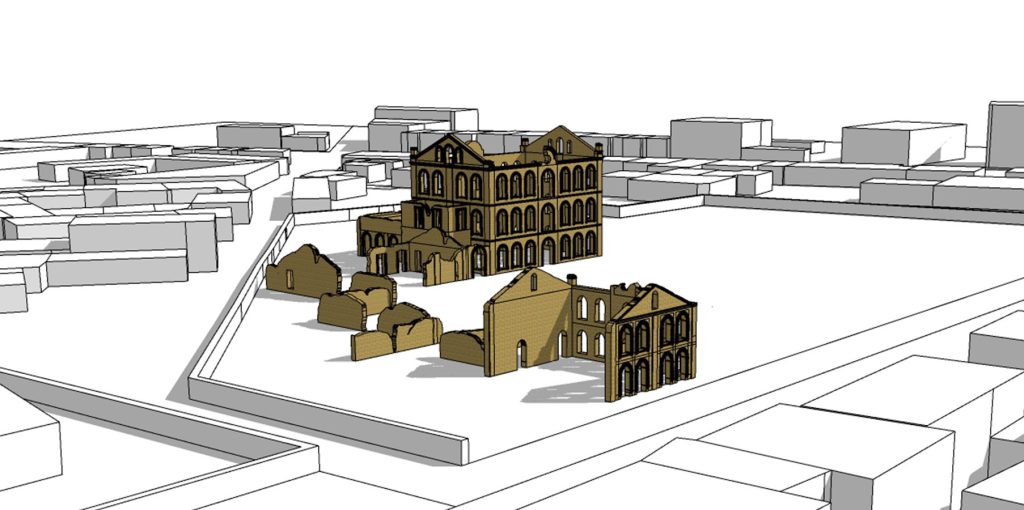
In the Iranian context – as in Qazvin – industrial architecture has often not been regarded as worth preserving. Many of these structures have quietly disappeared, even though they embodied important chapters of urban history. The Qazvin flour factory is emblematic of this situation: once a symbol of productivity and progress, later an urban void, reflecting the loss of identity.
2.2 The global movement of industrial revitalization
Since the 1980s, Europe and North America have systematically engaged with the potential of industrial heritage. Projects such as Tate Modern in London, Zeche Zollverein in Essen, or the Gasometer in Vienna demonstrate how disused industrial facilities can become new urban hotspots. These cases illustrate three core insights:
- Heritage as a resource: Industrial buildings offer spatial qualities uniquely suited for cultural and community uses.
- Transformation instead of demolition: Adaptive reuse conserves resources and preserves authenticity.
- Cultural engine: Such projects strengthen the creative economy and attract international attention.
2.3 Industrial heritage in the Middle East
In contrast to Europe, the Middle East has few legal frameworks to protect industrial heritage. Economic pressures and rapid urbanization often result in demolition. As a consequence, not only the built fabric but also cultural continuity is lost. The Qazvin project demonstrates how crucial it is to establish new approaches in such contexts: preservation as innovation.
2.4 Urban identity through adaptive reuse
Industrial structures can play a decisive role in redefining urban identity. They are familiar landmarks embedded in collective memory. Their transformation into spaces for art, education, and community creates continuity within change.
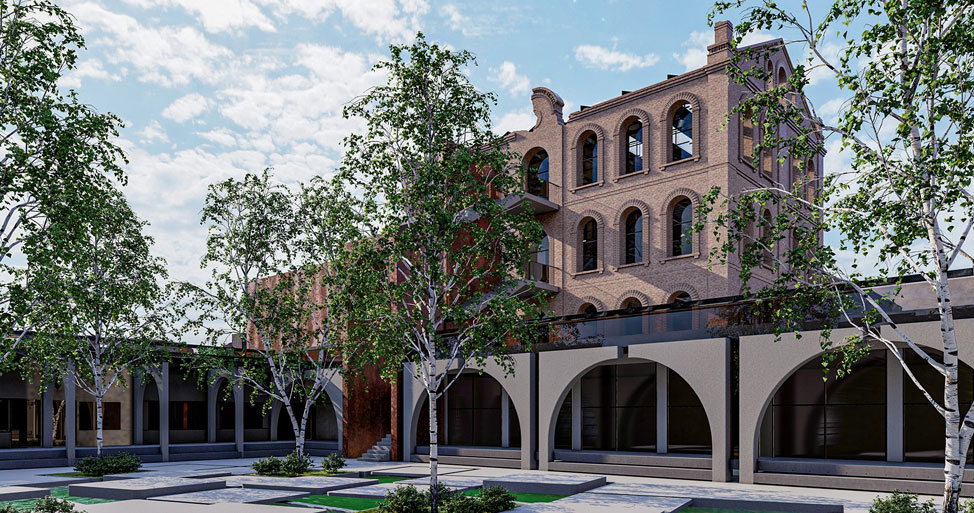
The Qazvin project pursues precisely this approach: transforming an abandoned factory into a hub of cultural production. Past and future converge, and the city regains not only a cultural institution but also a piece of its rediscovered identity.
3. Adaptive Reuse in Contemporary Architecture
3.1 Definition and theoretical foundations
Adaptive reuse refers to the conscious transformation of existing buildings for new functions. Unlike classical restoration, which focuses on preservation, adaptive reuse acknowledges the necessity of carrying old structures into a new era. The historic fabric is respected but complemented with innovative architectural interventions.
In international discourse, adaptive reuse is increasingly recognized as a key strategy of sustainable architecture. Studies, including findings cited in this Master’s thesis, show that constructing a new building produces on average 40–50% more CO₂ emissions than reusing existing structures. Thus, adaptive reuse is not only a cultural imperative but also an ecological necessity.
3.2 Environmental dimension
The ecological benefits of adaptive reuse are evident:
- Preservation of embodied energy: Materials such as bricks and timber already store energy invested during their production; demolition destroys this resource.
- Waste reduction: Construction and demolition waste often accounts for over 30% of total waste in many countries. Adaptive reuse drastically reduces this volume.
- Climate-responsive strategies: Many historic industrial buildings already feature passive qualities (e.g., thick masonry walls, cross-ventilation) that can be optimized in redesign.
This makes adaptive reuse an essential tool for achieving the UN Sustainable Development Goals (SDG 11: Sustainable Cities and Communities; SDG 13: Climate Action).
3.3 Social and cultural dimension
Adaptive reuse also fulfills a social mission:
- It safeguards collective memory and reinforces continuity.
- It opens formerly closed industrial sites to the public.
- It promotes social inclusion by providing spaces for education, culture, and civic life.
In post-industrial contexts, these transformations can help heal societal ruptures caused by economic or spatial decline.
3.4 Economic dimension
From an economic perspective, adaptive reuse creates long-term value:
- It revitalizes neighborhoods weakened by vacancy.
- It generates jobs in construction and cultural industries.
- It supports the creative economy and cultural tourism.
In the Iranian context, as argued in this thesis, adaptive reuse also proves a cost-efficient alternative to new construction, considering the high costs of demolition and imported materials.
3.5 Global best practices
This study references several international precedents:
- Tate Modern (London) – the conversion of a power station into a global art museum.
- Zeche Zollverein (Essen) – from coal mine to UNESCO World Heritage Site and cultural campus.
- 798 Art District (Beijing) – transformation of military factories into an art quarter.
These cases confirm that adaptive reuse has moved beyond being an exception; it is now an established global practice in architecture.
4. Case Study: The Qazvin Flour Factory
4.1 Historical context
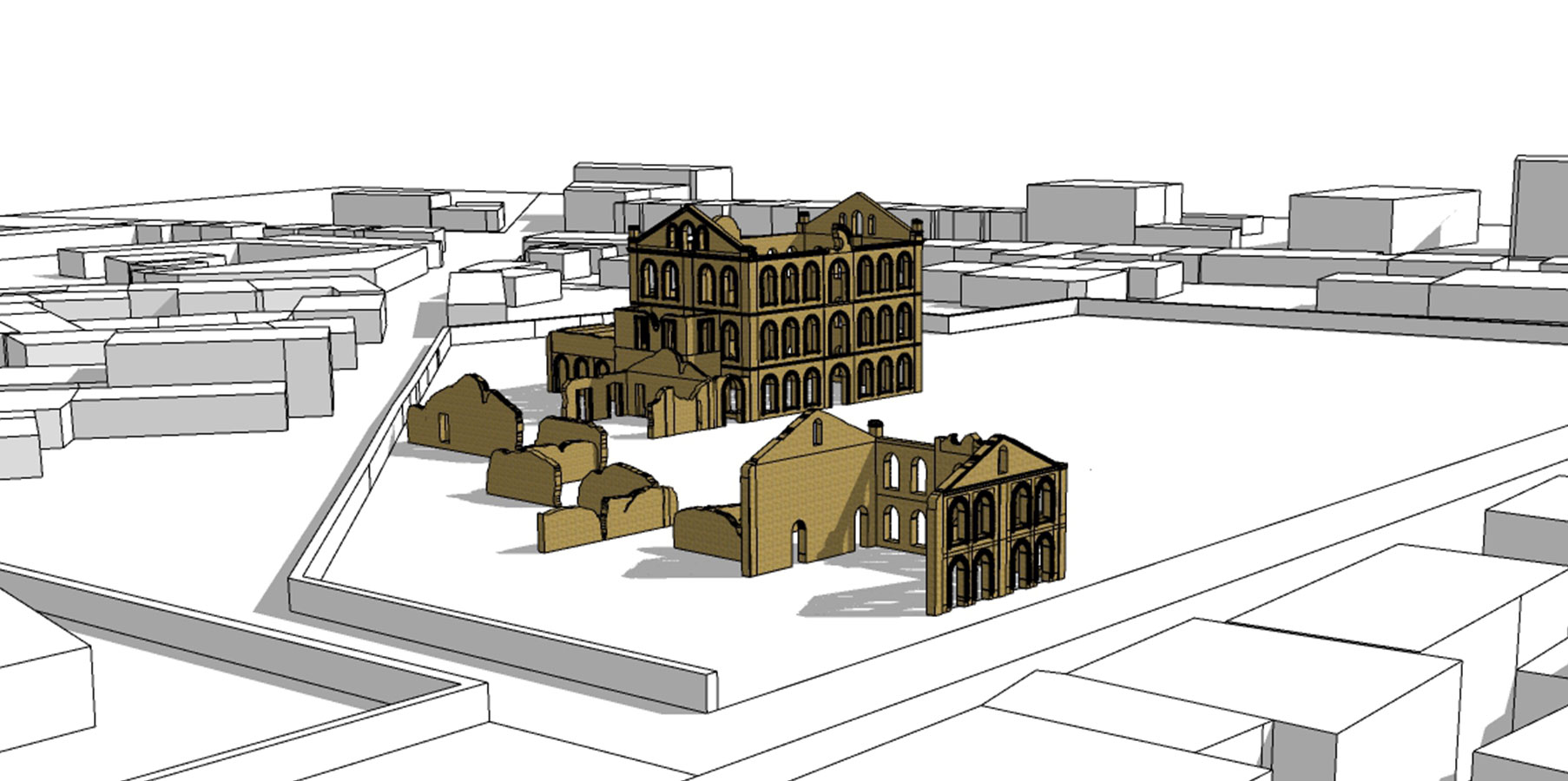
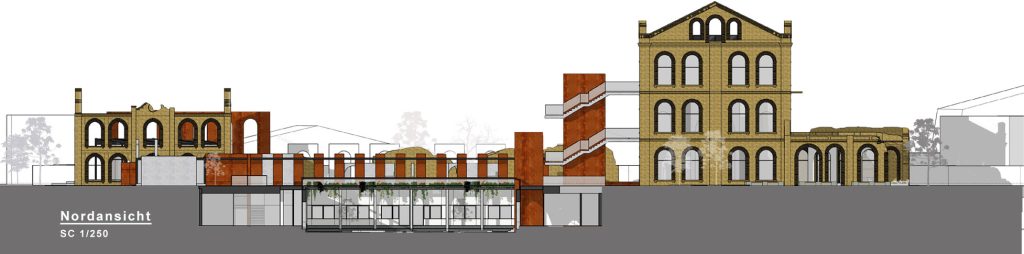
The Qazvin Flour Factory, established in the early 20th century, was a symbol of local industrialization and a driver of economic development for decades. After its closure, it remained unused for years, decaying into an urban void. The thesis conducted a comprehensive analysis that included:
- Architectural survey: documenting structural conditions, material analysis, and damages.
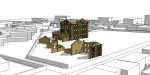
- Urban analysis: situating the factory within the wider fabric of Qazvin.
- Cultural research: archival studies and interviews highlighting the building’s role in the city’s history.
4.2 Design vision and objectives
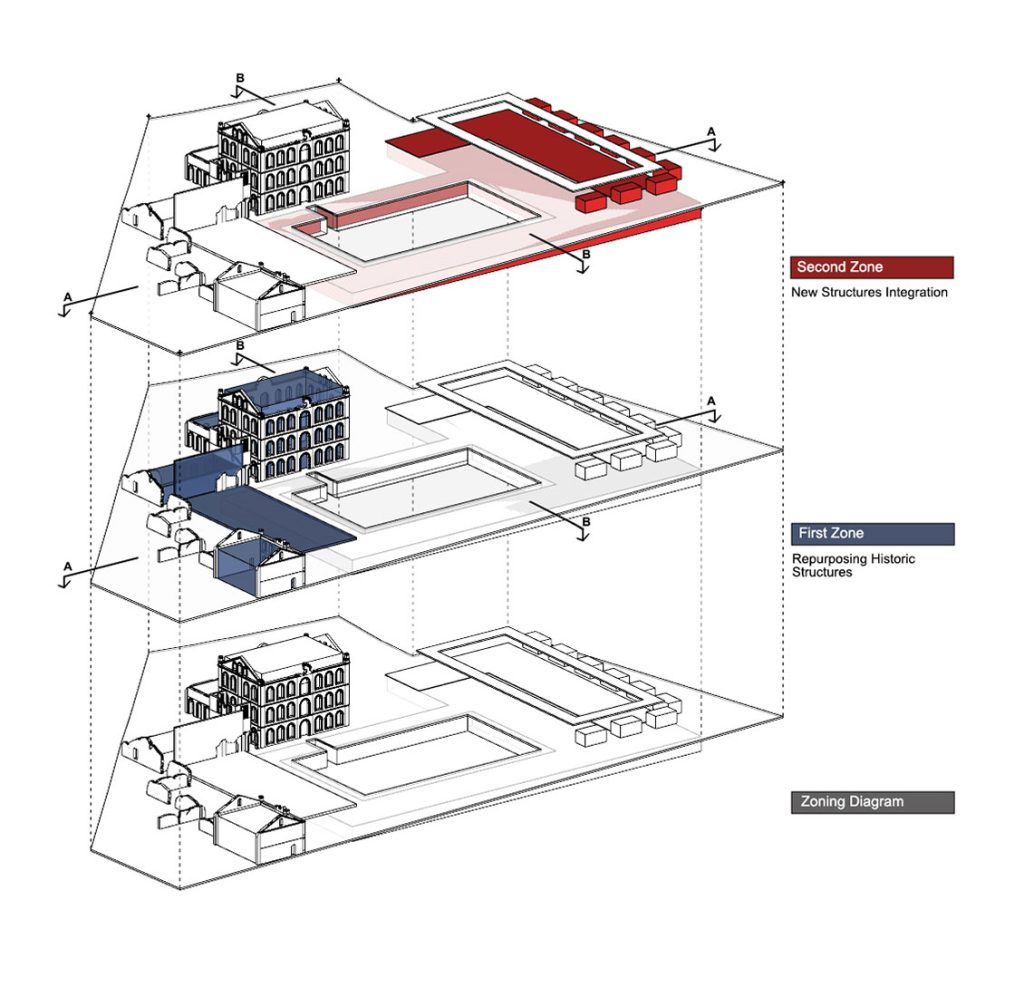
The central design concept was to transform the abandoned factory into a cultural and arts center, guided by four objectives:
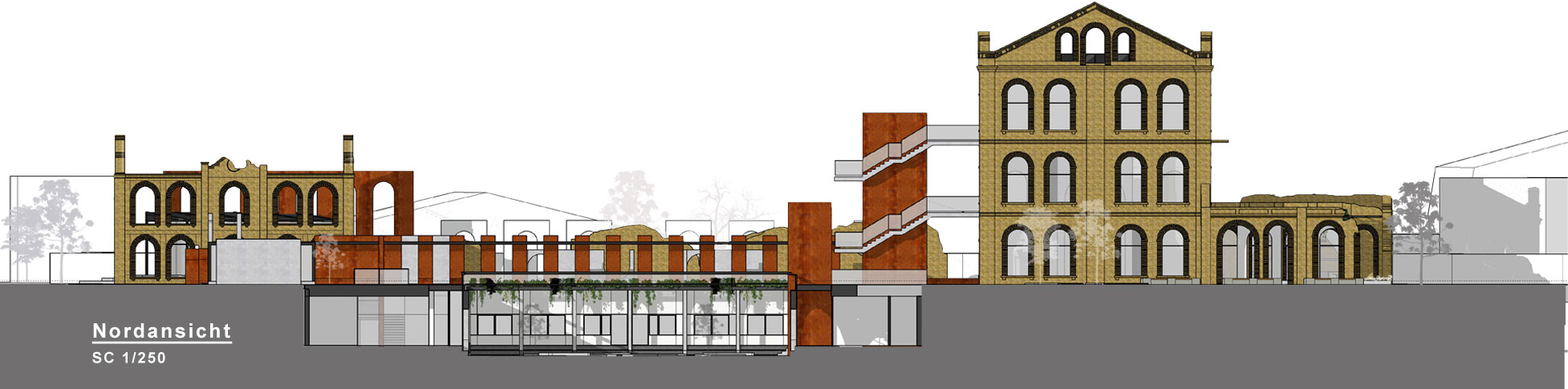
- Preservation and transformation – conserving the industrial fabric while introducing new interventions.
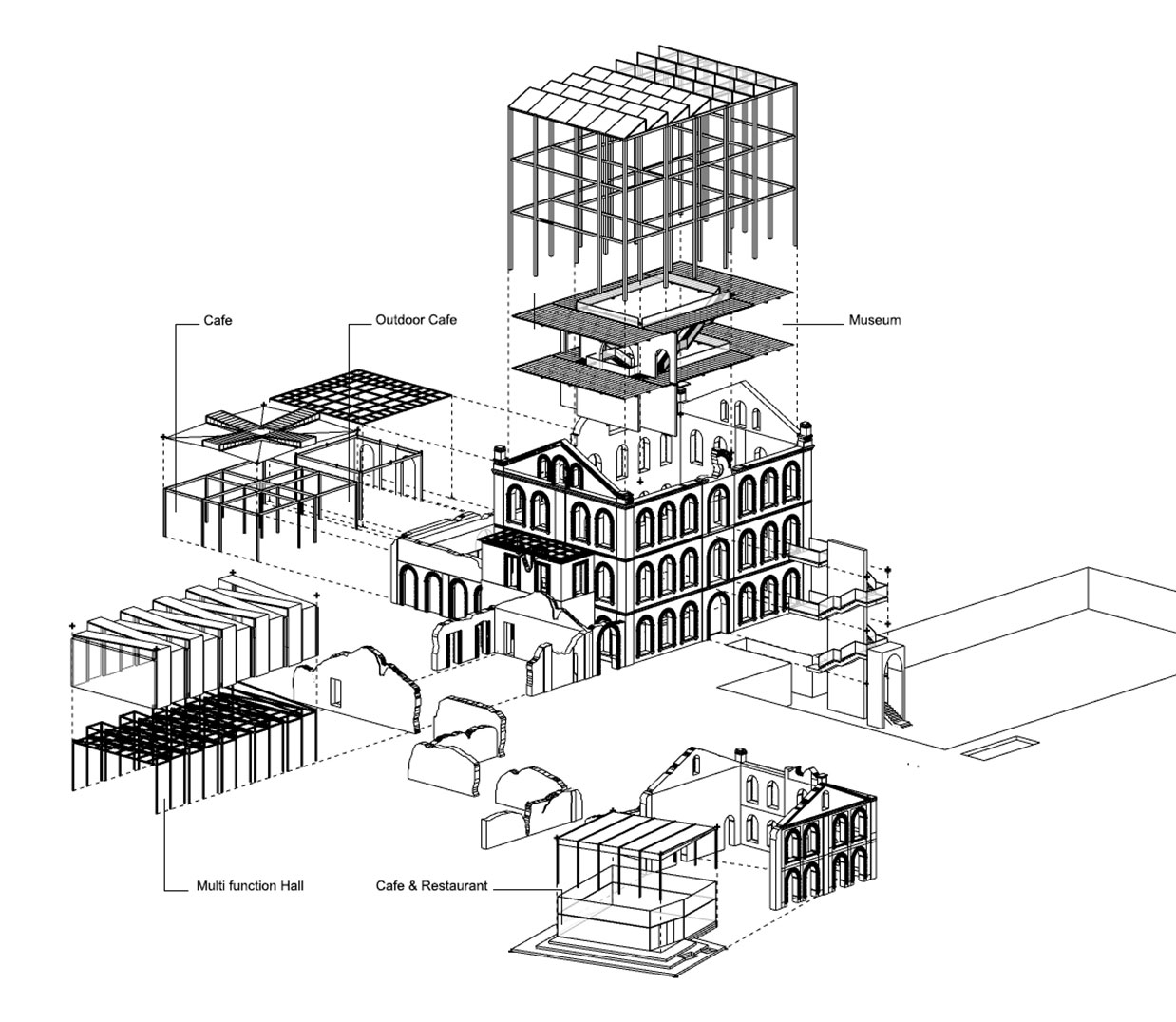
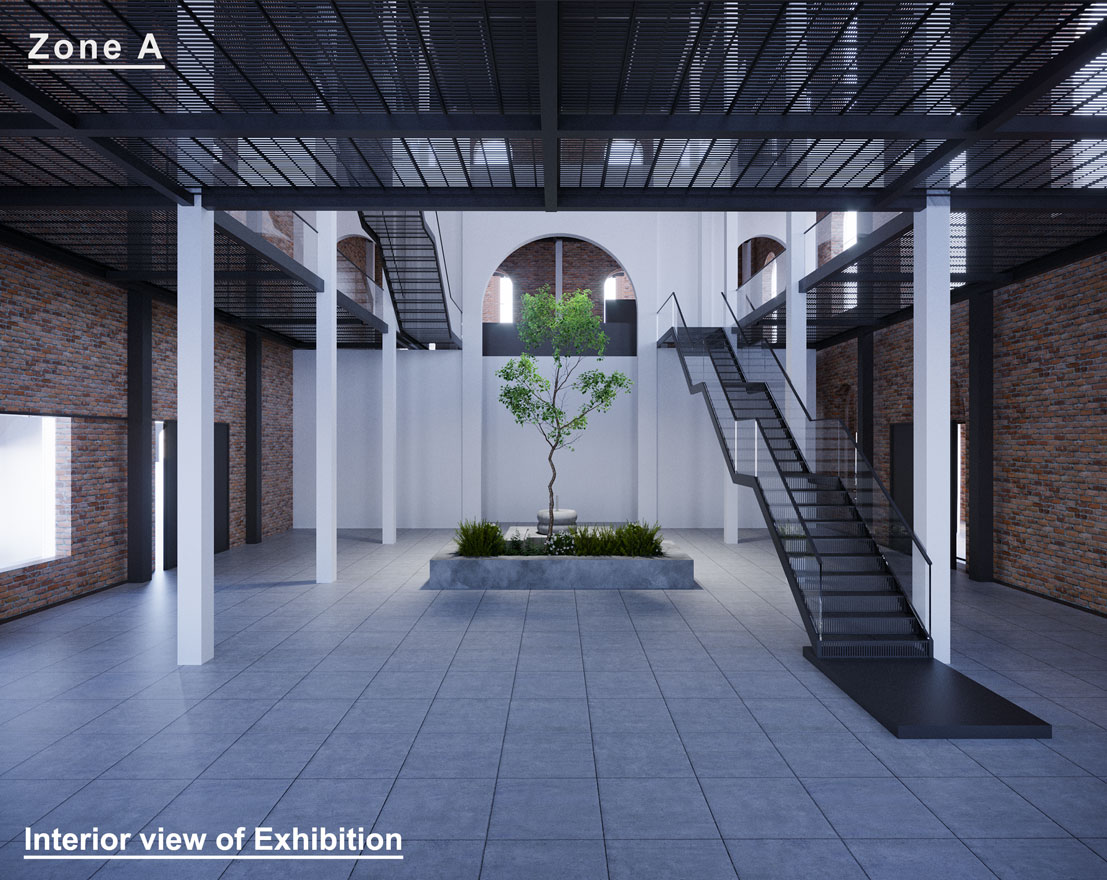
- Multifunctionality – creating spaces for exhibitions, performances, and education.
- Sustainability – integrating passive strategies, material reuse, and energy-efficient systems.
- Social inclusion – ensuring accessibility and openness for all groups.
4.3 Spatial program
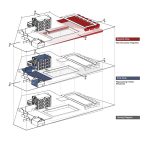
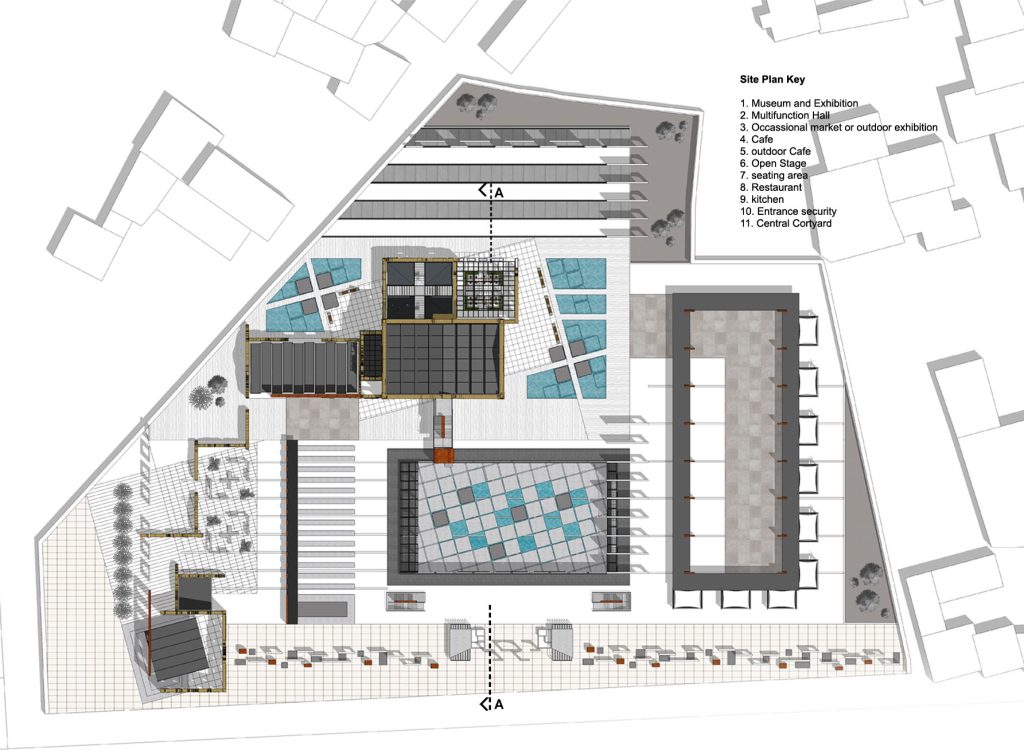
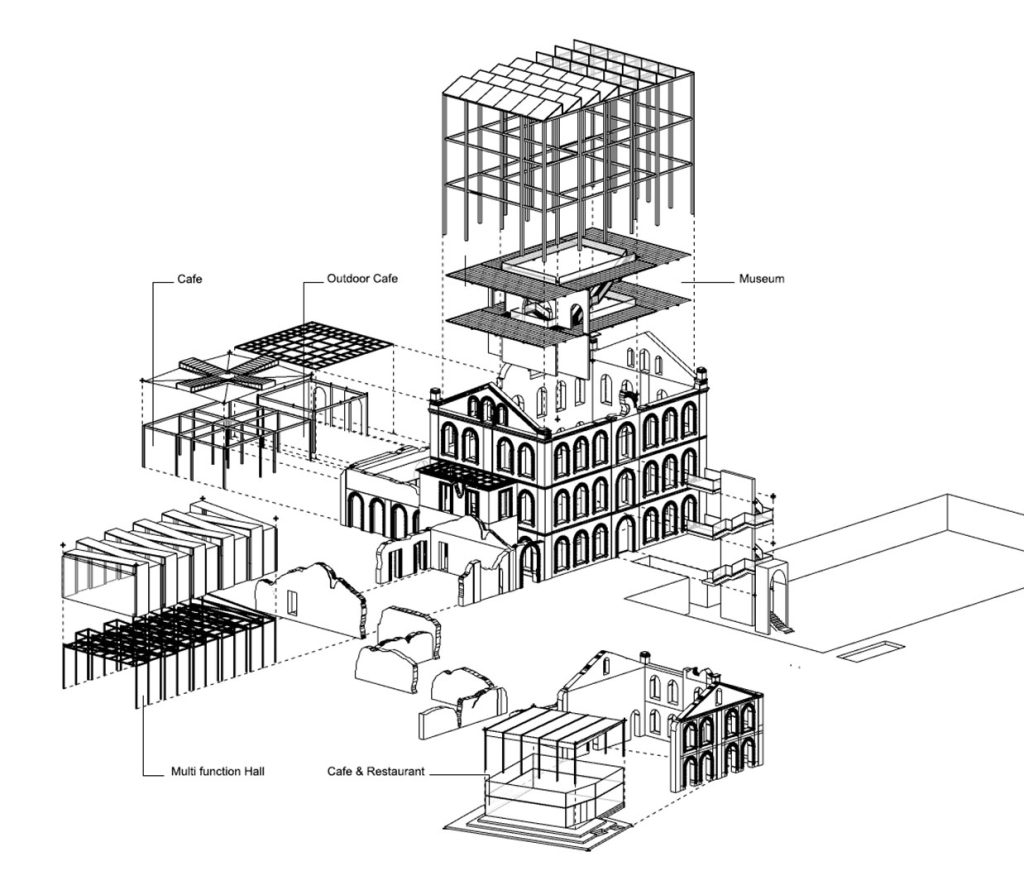
The design proposed a diverse program:
- Cultural spaces: galleries, exhibition halls, archives.
- Educational facilities: classrooms, workshops, studios for children and youth.
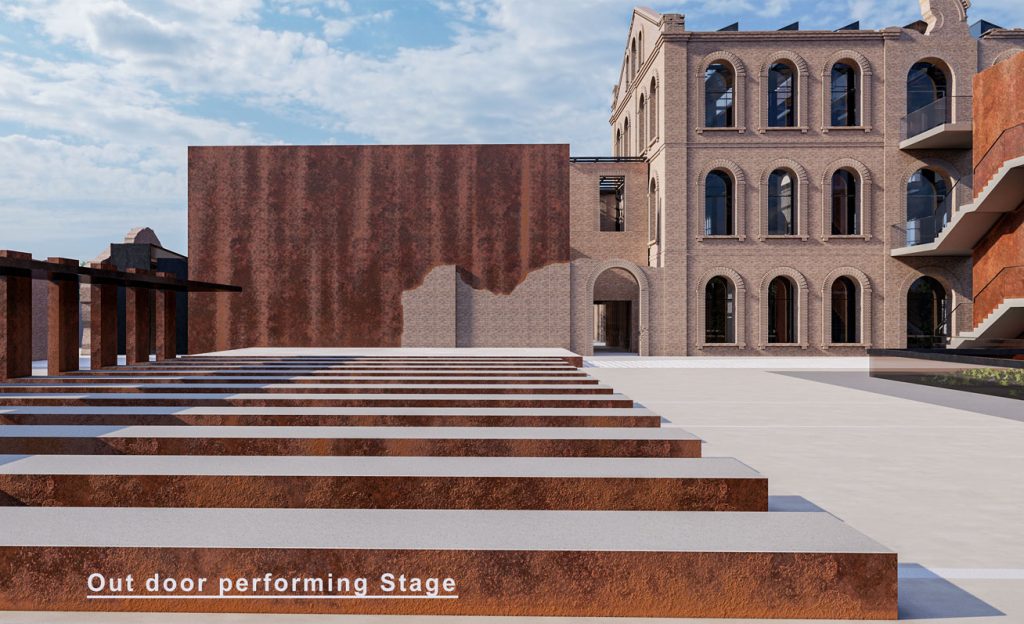
- Performance areas: an auditorium and smaller stages for theater and music.
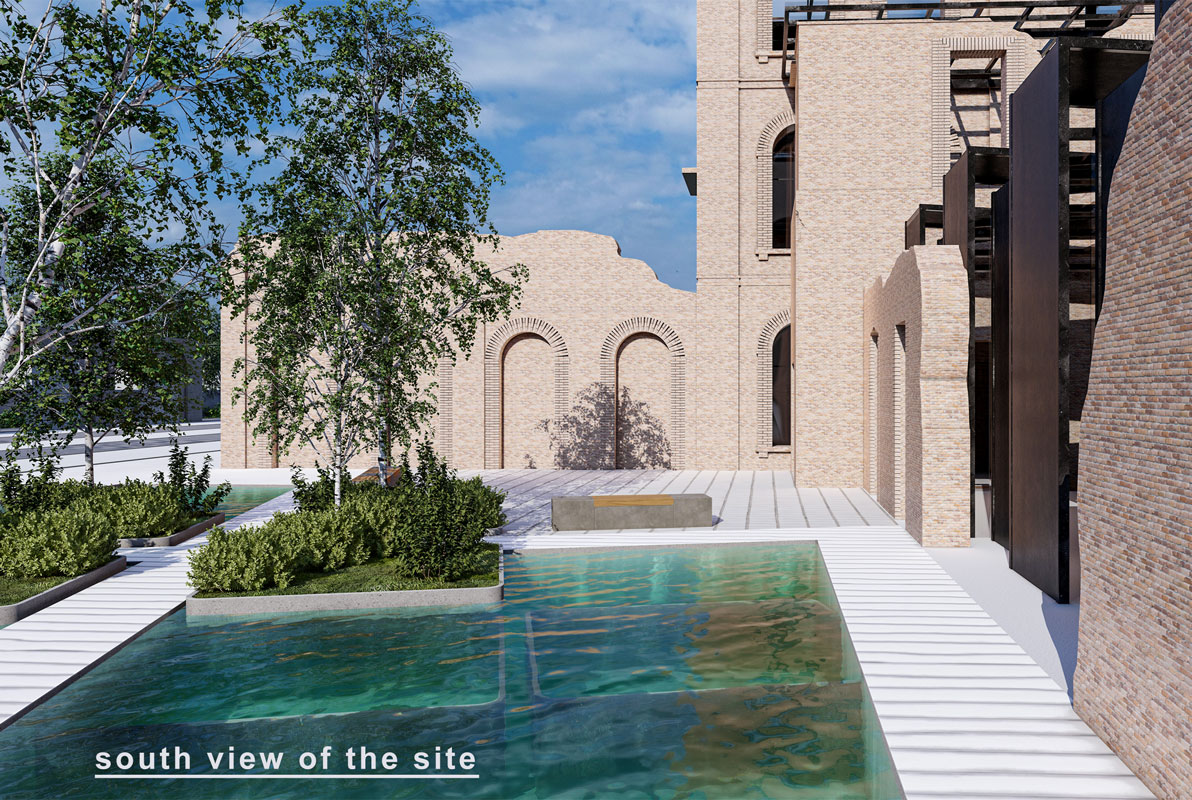
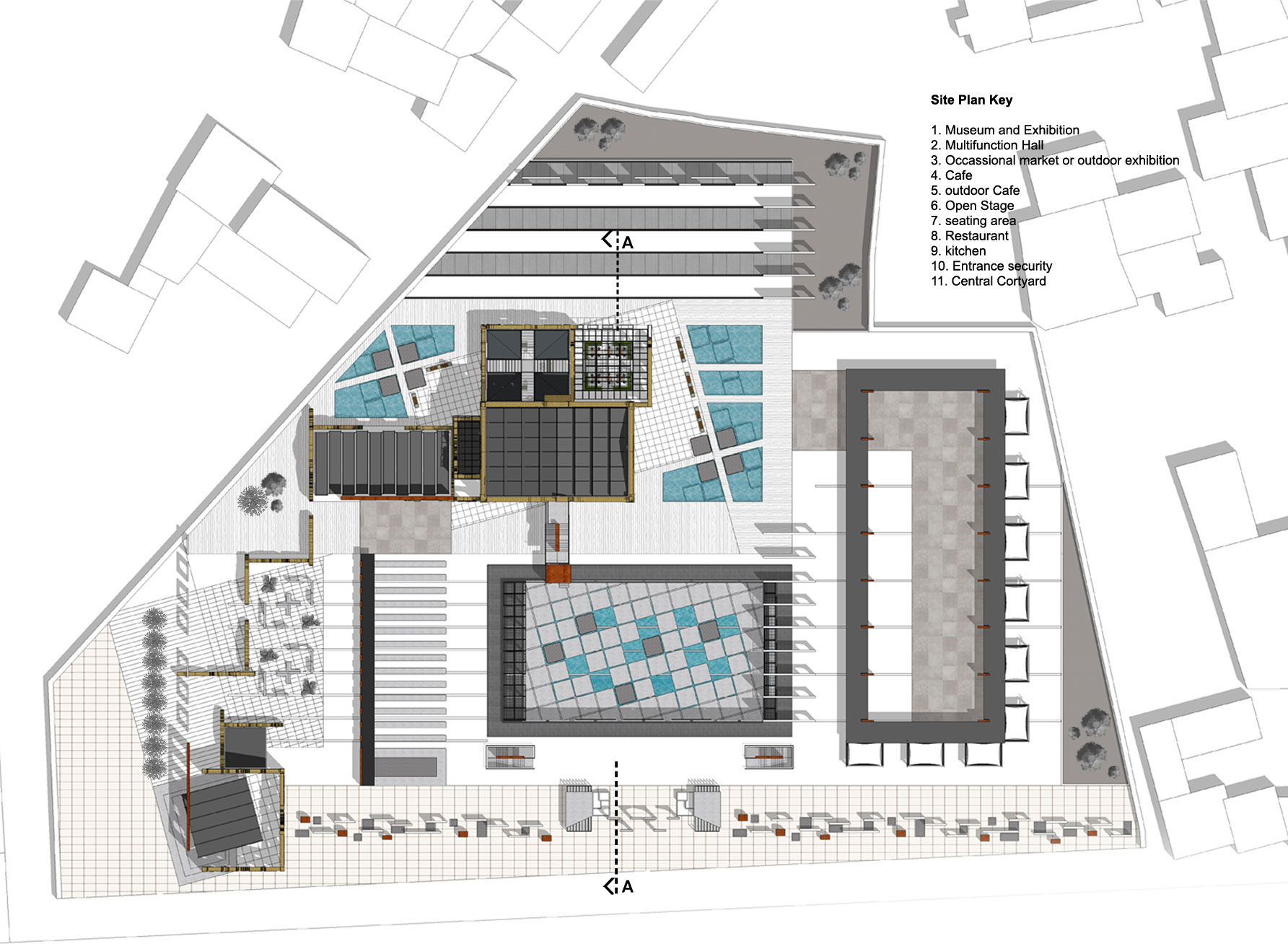
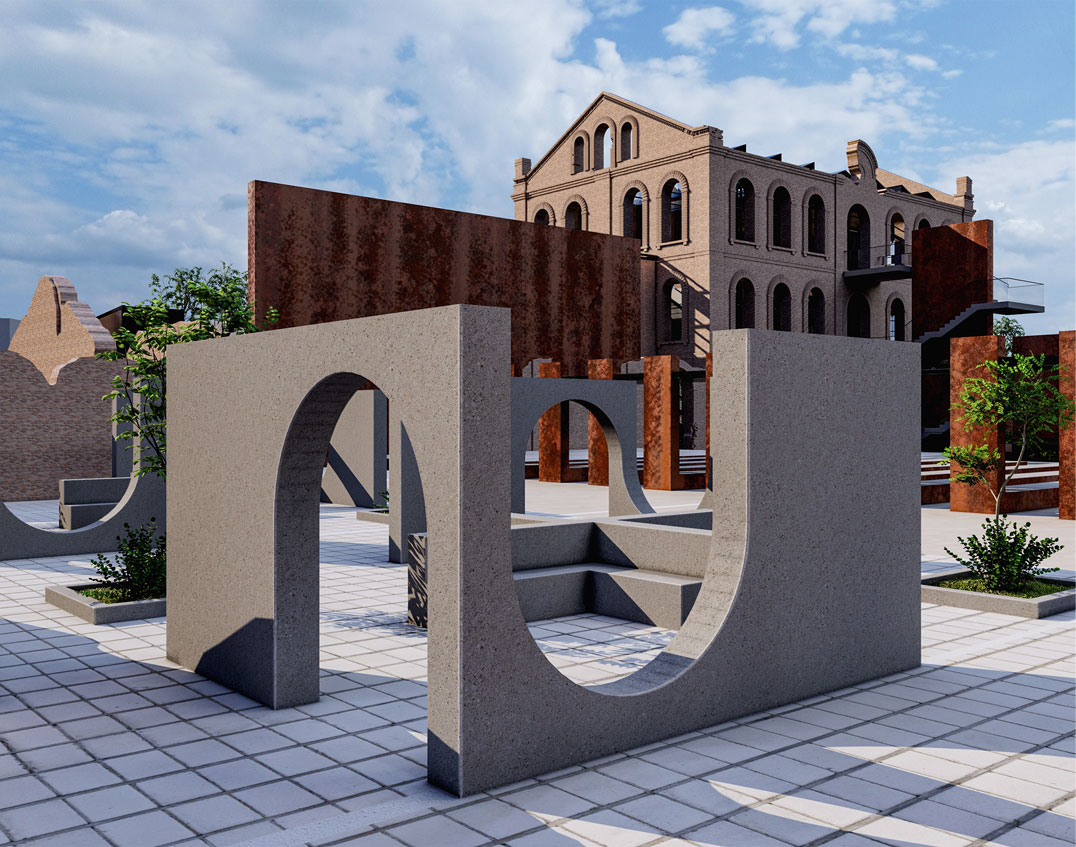
- Public zones: a central plaza, courtyards, and pedestrian paths as spaces of encounter.
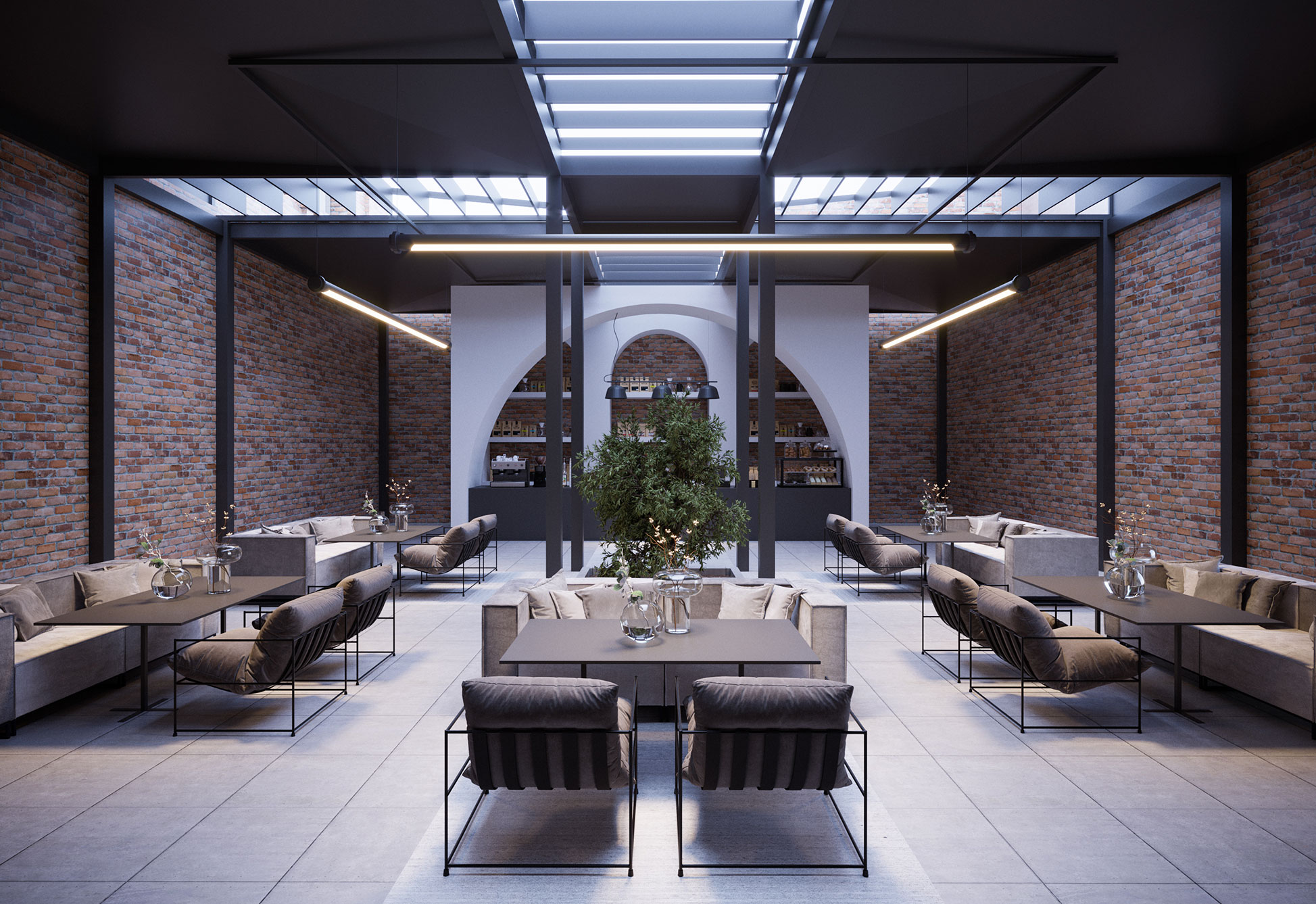
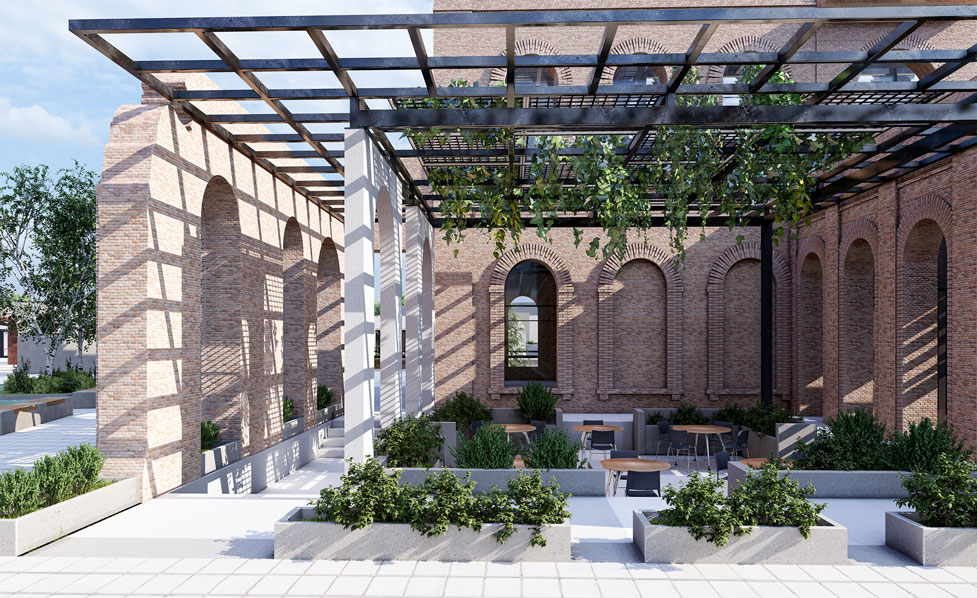
- Supporting services: café, bookshop, creative studios.
4.4 Sustainability strategies
Key measures integrated into the design included:
- Reuse of existing bricks and timber.
- Improved cross-ventilation and natural lighting.
- Shading systems and green elements to reduce heat gain.
- Climate-resilient landscape design with permeable surfaces and native plants.
This approach extended the building’s life cycle instead of wasting resources through demolition and new construction.
4.5 Social impact
The flour factory was envisioned as an inclusive hub:
- A space where children access cultural education.
- A place for artists to create and exhibit.
- A civic stage for festivals and community events.
The project thus served as a social catalyst in the heart of Qazvin.
4.6 Significance in the international context
The case study demonstrates that adaptive reuse can succeed even in countries with limited heritage protection frameworks. It provides a transferable model for Middle Eastern cities facing similar challenges. Above all, it embodies the values of VAND – environmental, cultural, and social responsibility – in a globally relevant way.
5. Alignment with the VAND Philosophy
5.1 VAND as a new paradigm in architecture
The Design Responsibility Movement (VAND) is founded on the understanding that every architectural decision carries consequences – for the environment, for culture, and for society. This framework redefines the role of architects: they are not merely creators of form but also stewards of resources, custodians of cultural identity, and facilitators of social cohesion.
VAND is structured around three dimensions of responsibility:
- Environmental responsibility – conserving resources, reducing CO₂ emissions, and promoting sustainable lifestyles.
- Cultural responsibility – safeguarding memory, heritage, and historical continuity.
- Social responsibility – ensuring accessibility, inclusion, and justice as the foundation of spatial design.
5.2 The Qazvin Flour Factory as a VAND-oriented project
The adaptive reuse of the Qazvin Flour Factory illustrates how these principles can be implemented in practice.
Environmental responsibility
- Reuse instead of demolition preserved vast amounts of embodied energy.
- Passive strategies such as ventilation, shading, and thermal mass minimized energy demand.
- Recycling of materials reduced construction waste.
Cultural responsibility
- The building was maintained as a witness of industrial history.
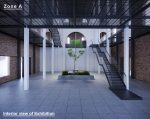
- Authentic elements (brickwork, arches, halls) were not concealed but integrated into the design.
- Heritage was not frozen as a museum piece but activated as a living resource – transformed into a space for education, art, and civic life.
Social responsibility
- An inclusive program provided spaces for children, families, artists, and the wider public.
- The central plaza was designed as a democratic space for festivals and performances.
- The concept of mental convergence was fostered: architecture as a medium for unity and belonging.
5.3 VAND in theory and practice
What makes this project distinctive is that it bridges theory and practice. It is both an academic thesis and a real-world application of VAND principles. It shows that design responsibility is not an abstract ideal but an actionable method – even in contexts with limited heritage policies and restricted resources.
6. Impacts and Outcomes
6.1 Urban impacts
The transformation of the Qazvin Flour Factory reshaped its urban surroundings:
- A decayed void was turned into a new cultural landmark.
- Pathways, plazas, and courtyards reconnected the site to the urban fabric.
- The factory became an integrated civic space rather than an isolated ruin.
6.2 Social impacts
The social results are manifold:
- Restoration of memory: the community regained a piece of its industrial past.
- Strengthening inclusion: spaces for children, youth, and families ensured participation.
- Social convergence: festivals and shared events fostered collective identity.
- Empowerment: local stakeholders developed a sense of ownership through involvement.
6.3 Environmental impacts
The project delivered tangible environmental benefits:
- CO₂ savings through reuse rather than new construction.
- Enhanced climate performance through passive strategies.
- Sustainable landscape design with permeable surfaces and climate-resilient vegetation.
These measures align directly with the UN Sustainable Development Goals (SDG 11: Sustainable Cities; SDG 13: Climate Action).
6.4 Economic impacts
The economic dimension, often underestimated, was also addressed:
- Cultural tourism generated new revenue for the city.
- Creative industries found new spaces for work and production.
- Value increase in surrounding neighborhoods.
- Self-sustaining business model supported by cafés, bookstores, and events.
6.5 Long-term outcomes
Perhaps the most significant impact lies in its durability. The factory was not revived as a temporary attraction but established as a permanent civic institution. Its adaptability ensures that it can respond to future needs while maintaining its identity, making it a resilient component of the city’s fabric.
7. Global Context and Comparison
7.1 Positioning within the global movement
Adaptive reuse has become a global strategy in contemporary architecture. Projects across Europe, Asia, and North America demonstrate that the reuse of industrial structures is not only feasible but transformative. The Qazvin Flour Factory contributes to this global discourse by adding a perspective from the Middle East – a region where industrial heritage often lacks recognition and protection.
7.2 Comparative examples
- Tate Modern (London): A power station converted into one of the world’s leading museums. Similar to Qazvin, it preserved an iconic industrial structure and opened it to the public. The difference lies in resources: Tate Modern benefited from massive financial backing, whereas Qazvin represents a model of resource-conscious design.
- Zeche Zollverein (Essen, Germany): Once a coal mine, now a UNESCO World Heritage Site and cultural campus. Like Qazvin, it combines authenticity with new uses. The distinction: Zollverein is a large-scale, globally recognized project, while Qazvin serves as a localized case with universal lessons.
- 798 Art District (Beijing): Former military factories transformed into a creative hub. Like Qazvin, it shows how industrial sites can incubate cultural innovation. Qazvin, however, emphasizes the heritage conservation aspect more strongly.
- High Line (New York): An industrial railway transformed into a public park. Similar to Qazvin, it redefined an abandoned infrastructure as a civic landmark. Qazvin combines this urban quality with the preservation of architectural memory.
7.3 Lessons from comparison
Three key lessons emerge:
- Scalability – Adaptive reuse is effective across scales, from power stations to local flour mills.
- Context matters – Methods vary, but the core principle of responsible transformation remains universal.
- Catalytic effect – Adaptive reuse consistently generates cultural, social, and economic renewal.
The Qazvin project shows how these principles can be applied in countries with limited legal protection frameworks, proving that responsible design transcends borders.
7.4 Contribution to the VAND network
By clearly aligning with the values of environmental, cultural, and social responsibility, the Qazvin Flour Factory strengthens the global VAND movement. It demonstrates that design responsibility speaks a universal language of sustainability, heritage, and inclusion.
8. Conclusion & Manifesto
8.1 Key findings
The case study of the Qazvin Flour Factory confirms that:
- Industrial heritage is not merely a shell but a form of collective memory.
- Adaptive reuse serves as a tool for sustainability, identity, and inclusion.
- Transformative outcomes are achievable even with limited resources.
- Architecture can serve as a bridge – between past and future, between culture and society.
8.2 Manifesto of responsible design
The project articulates the following guiding principles:
- Reuse before rebuild – prioritize reuse over demolition.
- Heritage as living memory – preserve history by activating it, not freezing it.
- Inclusion first – ensure social justice and accessibility.
- Sustainability as ethos – embed ecological responsibility in every design decision.
- Dialogue of times – connect past and future in meaningful ways.
- Global-local synergy – adapt universal principles to local cultural contexts.
8.3 Invitation to VAND
This project is more than a Master’s thesis – it is a practical white paper. It calls on VAND and similar networks to recognize and support projects that embody these values worldwide. It demonstrates that responsible design is not an abstract slogan but a method for real change.
8.4 Final reflection
In times of ecological crises, cultural fragmentation, and social inequality, architecture must offer new responses. The Qazvin Flour Factory proves that such responses are possible. Through adaptive reuse, a decayed building becomes a place of hope.
This is the essence of VAND:
Design as responsibility. Architecture as care. Creativity as a collective good.

